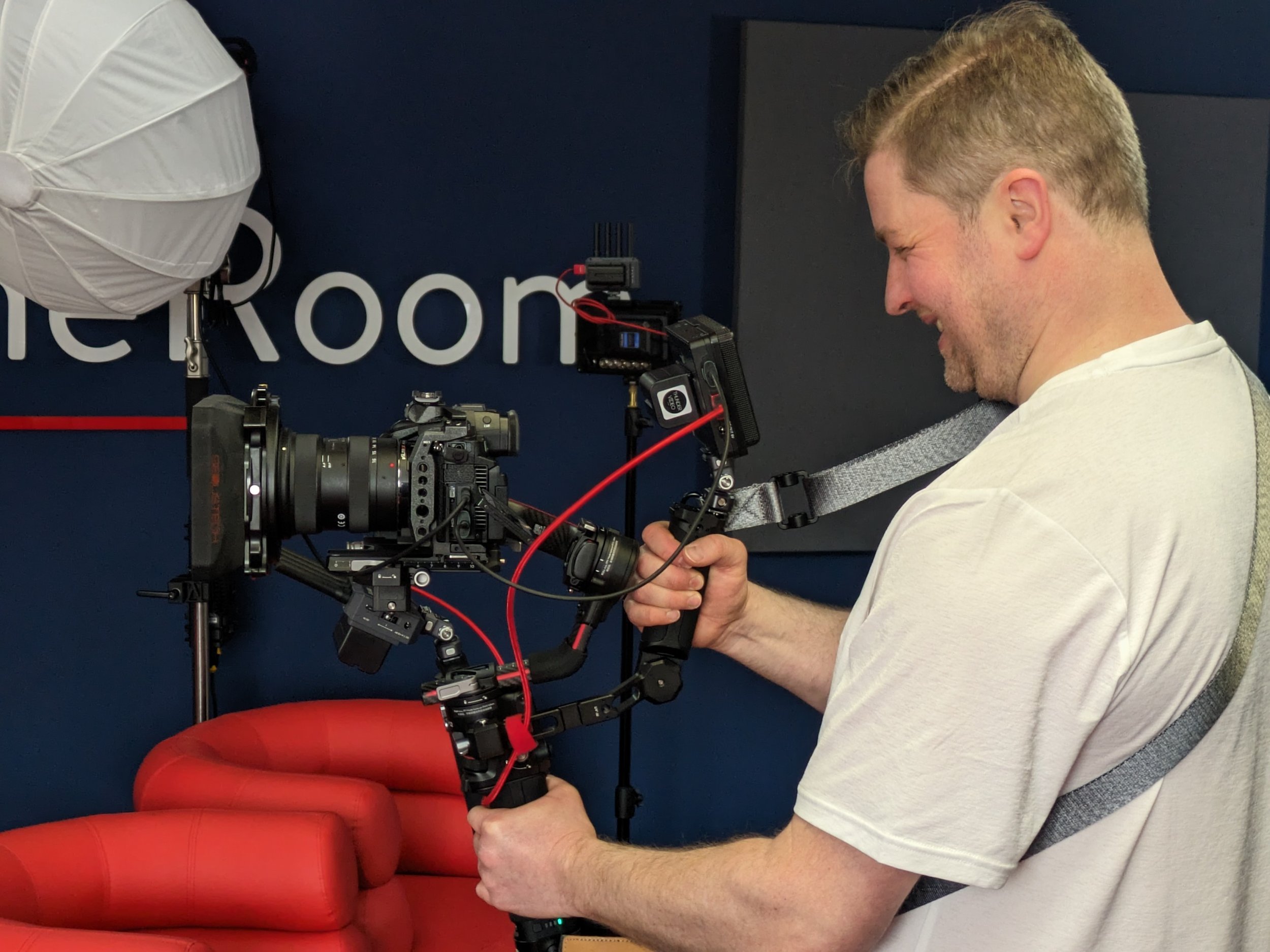
DIY vs Professional Video: A Guide for marketing teams
Video has become a central part of how brands communicate, and it’s becoming much more common for marketing teams to be asked to produce this content.
When video is added to the workload of an already super busy team, things can quickly become overwhelming. So at what point should you get yourself some help?
DIY videos have become increasingly popular, with online tutorials, alongside the technology on our mobile phones, providing us a quick and easy way to create content. Of course, this isn't a problem, in fact DIY videos can be the better option in many scenarios. The challenge is understanding when DIY works, and when you need to outsource some help.
WHEN DIY WORKS BEST
The rise of DIY video is ultimately down to the accessibility of video tools. Our mobile phone is constantly with us, meaning the tools needed to create video are literally at our fingertips. Therefore, when asked to make content, the natural response is to use your phone - and we don't blame you!
Phone cameras allow content to be filmed and shared quickly, it’s cost effective and means you and your team have full control. This kind of video works perfectly for formats like social media updates and informal interviews. It’s a great way to keep momentum when it comes to posting videos, and can be used when consistency and speed matters more than looking perfect.
DIY video shouldn’t be seen as ‘cutting corners’, it’s a practical solution for certain types of content. Problems only tend to occur when every type of video is treated with the same approach.
HOW TO IMPROVE YOUR DIY CONTENT
DIY videos are not likely to result in a cinematic masterpiece, but there are small improvements you can make that will go a long way. Here are our top 3 things to think about for the next time you decide to take the DIY approach to video:
Lighting - remember natural daylight is unpredictable, using artificial lighting gives you control. You want the lighting to stay as consistent as possible! There are some great, affordable LED lighting solutions available online, which will boost your production value hugely. It really can make the difference between your viewer staying and watching or scrolling on by……
Audio - be aware of background noise (you don’t want any unless it’s appropriate for the content!) and make sure to test how things sound beforehand, so you can catch any errors before it's too late! There’s nothing as frustrating as thinking you have recorded the perfect take, only to begin the edit and realise the mic was scratching against some clothing……
Background - try and relate your background to the topic, different videos will require different styles. Some may need a more professional set up (such as an office), or some may need something more relaxed. Trust us, it makes a bigger difference than you realise!
WHEN PROFESSIONAL VIDEO MAKES THE MOST IMPACT
Even with these tips, there are times where DIY video will start to show its limitations. Despite the amount of effort you put in, they might not be quite up to standard for the homepage of your website. Also, with different team members creating content, end results can become inconsistent, making it hard for them to maintain brand identity over time.
When a video needs to build trust, represent your company’s values, or deliver a message with impact, using a professional approach will make all the difference. Here are some examples where your company would benefit from professional video:
Customer testimonials - trust and credibility are at the heart of testimonials, and awkward framing or an uncomfortable interviewee can undermine the positive message being delivered. There is huge skill involved in interviewing, asking the right questions and putting the talent at ease.
Event highlights - events don’t happen everyday, and they aren’t cheap! You want to ensure the key moments, atmosphere and energy are captured well, as they can't be recreated. It can also be incredibly hard to ensure good audio capture of speakers and panels, so this is definitely best left to those with experience.
Brand or campaign videos - these often need to represent your business at the highest level possible, and professional level video will help strengthen brand perception. There are many elements to think of, during both pre and post production, which only comes with experience.
WHY PROFESSIONAL VIDEO IS EFFECTIVE
Professional video isn’t about making things look unnecessarily flashy or overcomplicated. It’s about delivering messages with clarity, building trust within your audience and creating real impact. It’s here to help support your marketing goals, not complicate them. It starts with a purpose, and time is spent understanding your audience, the message you want to deliver and your desired outcome from this.
The research and planning that goes into the video before even picking up a camera ensures the final product aligns with the result you're looking for. DIY videos don’t often use this approach, missing out on the intent that makes content meaningful. So, when there’s little room for error, professional video is the right choice.
Professional video also helps take some pressure off internal teams within the business, saving time across both filming and editing. It allows marketing teams to have peace of mind, knowing the content will be produced to a high standard and will mirror their purpose. However, it should still be a collaborative process. Your company’s insights should still be valued and guide the content, with professionals helping to execute the final product. This allows the video to be genuinely effective, rather than outsourced or disconnected. After all, nobody knows your company better than you do!
FINDING THE BALANCE
Both DIY and professional video have a place in video marketing.
Combining the two gives marketing teams the confidence to create content themselves whilst knowing when expertise is needed. The strongest video strategies are flexible, using DIY for quick and easy content like social media posts, and professional when clarity and impact matter the most.
So next time you’re asked to create video content, don't be afraid to do it yourself, but be ready to call in a professional if you need it!